
Professional Duties When AI Is Involved
AI does not change a lawyer’s duties—it changes how you satisfy them. Whether AI is used by a lawyer or a supervised staff member, the legal team remains responsible for competence, confidentiality, supervision, candor, and reasonableness.
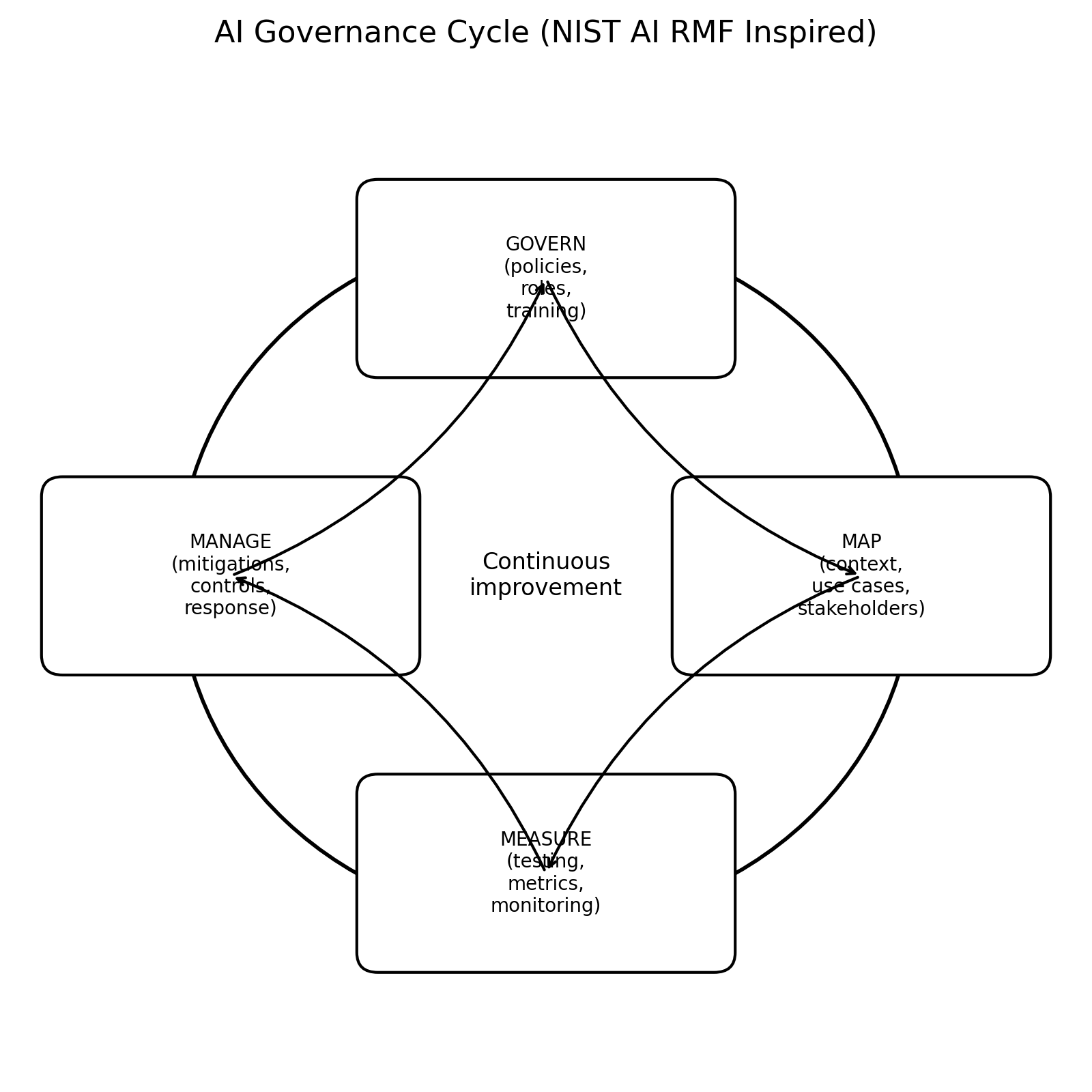
Key duties (translated into AI practice)
| Duty | What it means with AI | Operational behaviors |
|---|---|---|
| Competence | Understand the benefits and risks of the tools you use; know failure modes. | Train users; test outputs; restrict high-risk tasks; require verification steps. |
| Confidentiality | Prevent unauthorized disclosure—especially when using third-party tools. | Data minimization; approved tools; encryption; vendor due diligence; access controls. |
| Supervision | Lawyers must supervise nonlawyers and ensure firm measures are in place. | Define who may use AI; require review/approval; provide written playbooks; spot checks. |
| Communication | Tell clients what they need to know about material risks, costs, and choices. | Consider disclosure/consent for sensitive use; manage expectations; document decisions. |
| Candor & accuracy | Do not submit false statements or fake citations; verify court-facing work. | Primary-source checks; citation validation; “no guess” rules; final human sign-off. |
| Fees | Charge reasonably; avoid billing as if AI output equals full human drafting effort. | Billing policies that reflect actual time and value; clear scope; avoid double-charging. |
Ethics guidance you should know
- National guidance increasingly emphasizes competence with technology, confidentiality safeguards, and verification when using generative AI tools.
- Many courts and regulators now treat “AI-assisted” errors as human responsibility, not as a tool excuse.
Minimum “AI supervision policy” (starter set)
- Approved tools list (and a default rule: “if it’s not approved, don’t use it for client data”).
- Task tiers with required controls (low/medium/high).
- Verification standards for citations, facts, and math.
- Audit trail requirements (prompt, sources, reviewer, sign-off).
- Escalation path (who reviews high-risk items; who handles incidents).
Practice tip: The question is not “Did we use AI?” The question is “Can we defend the process we used?”